
The right window style depends on the room. A bedroom may need easy ventilation, while a living room may benefit more from natural light and an open view. In a bathroom, privacy may be the priority. In a kitchen, ease of operation can make all the difference.
Alside Mezzo windows are available in several styles, making it possible to choose windows based on how each room is used while keeping a consistent look throughout your home.
For Connecticut homeowners, there is another factor to consider: New England weather. Replacement windows need to stand up to cold winters, humid summers, rain, snow, wind, and changing temperatures. That makes performance just as important as appearance.
Here’s how the main Alside Mezzo window styles compare and where each one may work best.
Overview of the Alside Mezzo Window Collection
The Alside Mezzo collection combines a slim frame profile with several window configurations. Homeowners can use different styles throughout the house without creating a mismatched appearance.
That flexibility works well for Connecticut’s varied housing stock, including Colonials, Capes, ranches, and contemporary homes.
When comparing styles, think about what you need from each window:
- Double-hung: Versatile ventilation and traditional styling
- Sliding: Easy horizontal operation for wider openings
- Casement: Generous ventilation and easy crank operation
- Awning: Ventilation in smaller or higher wall openings
- Picture: Maximum views and natural light
- Bay: Projecting design with multiple viewing angles
- Bow: Broad views with a softer, curved appearance
You don’t necessarily need to choose one style for the entire house. Selecting windows room by room can create a better balance of comfort, function, and curb appeal.
Double-Hung Windows
Double-hung windows have two movable sashes, allowing them to open from either the top or bottom.
They are one of the most versatile choices for Connecticut homes. Their traditional proportions are a natural fit for Colonials, Capes, and other classic New England styles, but they can work with many types of architecture.
Being able to operate both sashes also gives you more control over ventilation.
Best for: Bedrooms, living rooms, dining rooms, and home offices.
Consider double-hung windows when: You want a familiar appearance, flexible ventilation, and a style that can be used consistently throughout much of the home.
Sliding Windows
Sliding windows open horizontally, with the sash moving from side to side.
Their wider shape works particularly well in rooms with broad wall openings. They can also complement ranch homes and other properties with strong horizontal lines.
Because sliding windows remain within the frame as they open, they do not require exterior clearance.
Best for: Family rooms, bedrooms, finished basements, and ranch-style homes.
Consider sliding windows when: You have a wide opening, want straightforward operation, or need ventilation without a window projecting outdoors.
Casement Windows
Casement windows are hinged at the side and open outward, typically using a crank.
Their design allows a large portion of the opening to be used for ventilation. They can also be easier to operate in places where lifting a traditional sash would be inconvenient.
That makes casement windows especially useful above kitchen counters and sinks.
Their clean lines and generous glass area also make them a good match for contemporary homes or renovations where a less traditional appearance is preferred.
Best for: Kitchens, bedrooms, offices, and rooms where ventilation is a priority.
Consider casement windows when: You want plenty of fresh air, easy operation, and clear views through the glass.
Keep exterior clearance in mind because the sash opens outward.
Awning Windows
Awning windows are hinged at the top and open outward from the bottom.
One advantage of this design is placement flexibility. Awning windows can be installed higher on a wall, where they can provide natural light and ventilation while helping maintain privacy.
They can also be combined with larger fixed windows when you want an expansive view with an operable section nearby.
Best for: Bathrooms, kitchens, basements, and smaller wall openings.
Consider awning windows when: You want ventilation and daylight in a location where a larger window may not be practical.
Picture Windows
Picture windows are fixed, so they do not open. Their purpose is to provide an expansive view and bring more natural light into the room.
With no operable sash to consider, a picture window can provide a clean, uninterrupted glass area. It is a strong choice for rooms overlooking a wooded property, garden, backyard, or another view worth highlighting.
If you also want ventilation, a picture window can be paired with operable windows nearby.
Best for: Living rooms, family rooms, dining areas, and spaces with attractive views.
Consider picture windows when: Natural light and visibility are more important than opening the window for fresh air.
Bay Windows
Bay windows extend outward from the exterior wall using multiple window sections set at angles.
This design brings in light from more than one direction and creates a wider field of view. Because the window projects outward, it can also add depth to the interior and dimension to the exterior.

A bay window naturally becomes a focal point, making it a popular choice for prominent living spaces.
Best for: Living rooms, dining rooms, and family rooms.
Consider a bay window when: You want more light, wider views, and an architectural feature that stands out both indoors and outside.
Depending on the configuration, operable sections can also provide ventilation.
Bow Windows
Bow windows also project beyond the exterior wall, but they use multiple sections to create a gentler curve.
The result is a broad, panoramic view with a softer appearance than the more defined angles of a bay window. Light can enter from several directions, helping the room feel brighter and more open.
Best for: Living rooms, sitting rooms, dining rooms, and other larger spaces.
Consider a bow window when: You want expansive views and a projecting window with a graceful, curved appearance.
When choosing between bay and bow windows, consider how each shape works with both the exterior architecture and the interior room.
Key Considerations for Each Room
Choosing the right window becomes easier when you focus on four questions: How much ventilation do you need? How important is natural light? Do you need privacy? And which style fits the architecture?

Ventilation Needs
If fresh air is a priority, choose an operable window.
Casement windows provide a generous opening, while double-hung windows let you control ventilation from the upper or lower sash. Sliding windows are useful for wider openings, and awning windows can add ventilation where wall space is limited.
Light Requirements
For more natural light, look for styles that provide larger areas of glass.
Picture windows are an obvious choice when you want to maximize the view. Bay and bow windows can also brighten a room because their projecting designs bring in light from several directions.
Room orientation matters, too. A window’s exposure, surrounding trees, roof overhangs, and nearby buildings can all affect how much daylight reaches the interior.
This is especially worth considering in Connecticut, where natural light can feel more limited during the shorter days of winter.
Privacy Considerations
Bathrooms, bedrooms, and street-facing rooms often need a balance between daylight and privacy.
An awning window placed higher on the wall may work well in some spaces. Window size, placement, glass choices, and window treatments can also help manage sightlines.
Think about privacy at night as well as during the day. Once interior lights are on, visibility from outside can change significantly.
Planning for privacy from the beginning can help you enjoy natural light without keeping your window coverings closed all day.
Architectural Style
Windows are a major part of your home’s exterior, so the style should feel appropriate for the architecture.
Double-hung windows often complement Connecticut Colonials and Capes. Sliding windows can work naturally with ranch homes. Casement and picture windows offer cleaner lines that suit contemporary properties as well as carefully updated traditional homes.
Bay, bow, and geometric windows create stronger visual statements and should be sized and positioned with the overall exterior in mind.
The goal isn’t necessarily to recreate your existing windows. It’s to choose new windows that improve performance and function without looking out of place.
Should You Use the Same Window Style in Every Room?
In many homes, mixing styles is the more practical choice.
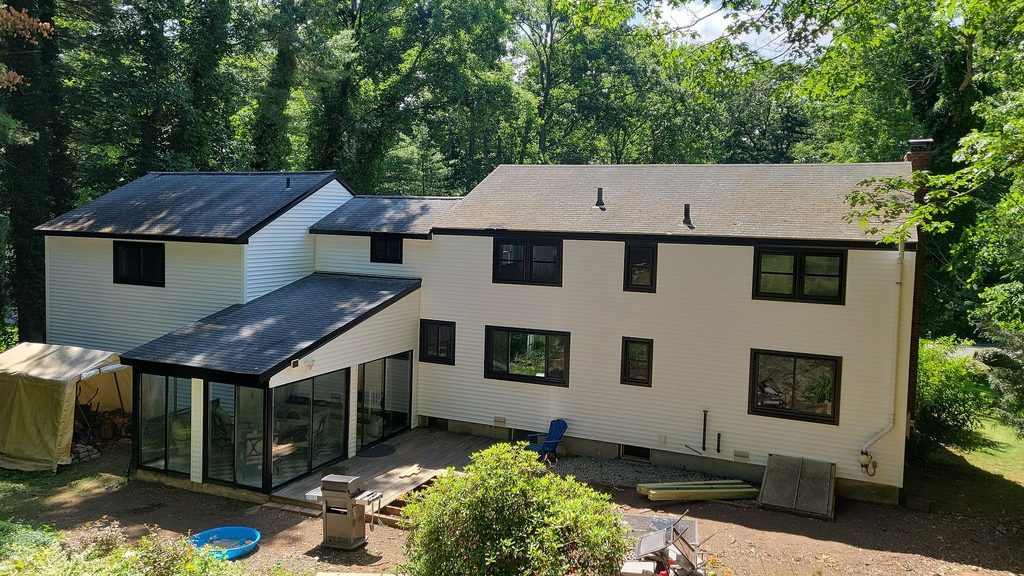
For example, you might use double-hung windows across the front of a Colonial to maintain its symmetry. In the back of the home, a picture window could take advantage of a wooded view. A casement window might make more sense over the kitchen sink, while an awning window could provide ventilation in a bathroom.
Frame finishes, window proportions, grille patterns, and placement can help different styles look like they were chosen as part of one plan.
See Your Home in a New Light
Choosing the right replacement windows starts with understanding how you use your home.
Think about which rooms need better ventilation, where you want more natural light, which views you would like to emphasize, and where privacy matters most. Then consider how those choices fit the architecture of your home and Connecticut’s demanding seasonal weather.
The Alside Mezzo collection gives homeowners several ways to balance those priorities, from traditional double-hung windows to expansive picture, bay, and bow configurations.
Nu-Face Home Improvements can help you determine which options make the most sense for your home. With local Connecticut expertise, premium window solutions, flexible financing options, strong warranty protection, and a clear remodeling process, we make it easier to move from comparing styles to enjoying the finished result.
Ready to see what new windows could do for your home? Contact Nu-Face Home Improvements to schedule a consultation and explore the Alside Mezzo window styles that fit your rooms, your home, and the way you live.