
Comparing the Performance of Composite Cladding and Traditional Wood Siding
From heavy rain to freezing winters and intense summer sun, siding faces constant exposure to the elements. That is why more homeowners are taking a closer look at composite siding vs. wood, comparing moisture resistance, wear, and long-term durability. While both options offer visual appeal, there are important performance factors to consider. Siding directly impacts how well your home resists damage, how much maintenance you take on, and how long your exterior truly lasts. The choice you make today will affect your quality of life for years to come.
What Is Alside Ascend Composite Cladding?
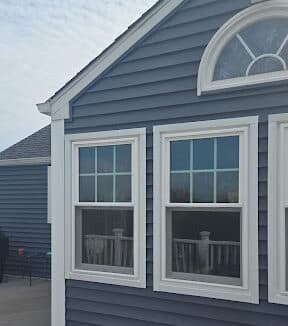
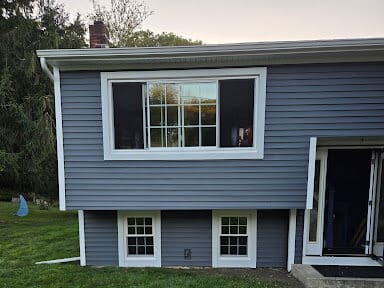
Composite cladding is designed to combine the look of natural materials with the strength of engineered construction. One of the most recognized products in this category is Alside Ascend, known for its durability, efficiency, and low-maintenance design.
Engineered Material Construction
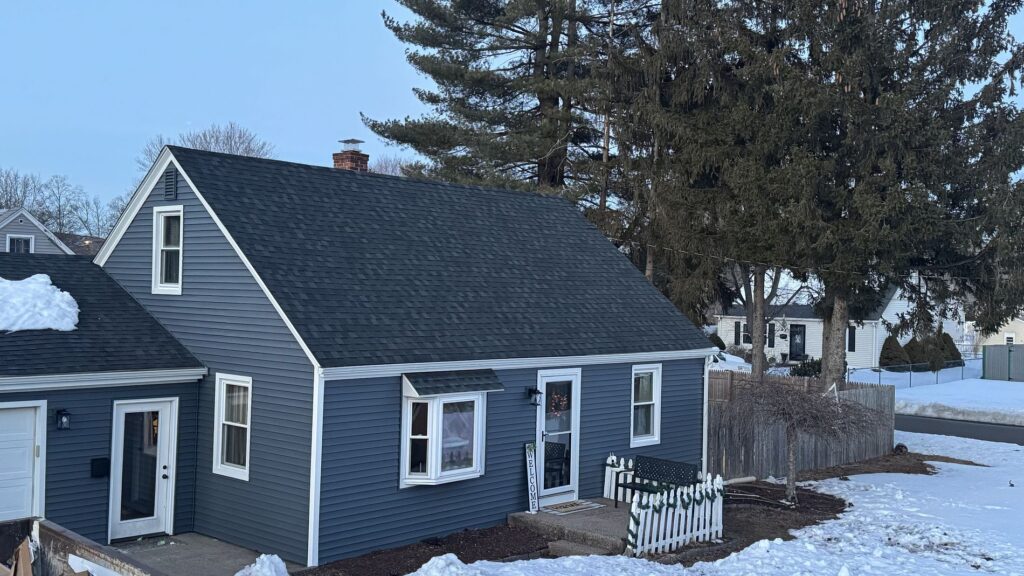
Alside Ascend composite cladding is made from a blend of glass-reinforced polymer and advanced materials. This engineered composition creates a dense, stable panel that resists many of the issues commonly associated with traditional siding.
Unlike wood, which can vary in density and moisture content, composite siding is manufactured for consistency. This results in tighter installation, improved insulation performance, and a more dependable exterior in the long haul.
Key Performance Features
Homeowners often ask, “Is Ascend siding any good?” Its design provides a clear answer:
- Strong resistance to moisture and humidity
- Built-in insulation for improved energy efficiency
- Impact resistance against hail and debris
- Minimal expansion and contraction in changing temperatures
These qualities make Alside Ascend composite cladding one of today’s leading moisture-resistant siding materials, especially for homes exposed to harsh or fluctuating weather.
Features of Traditional Wood Siding
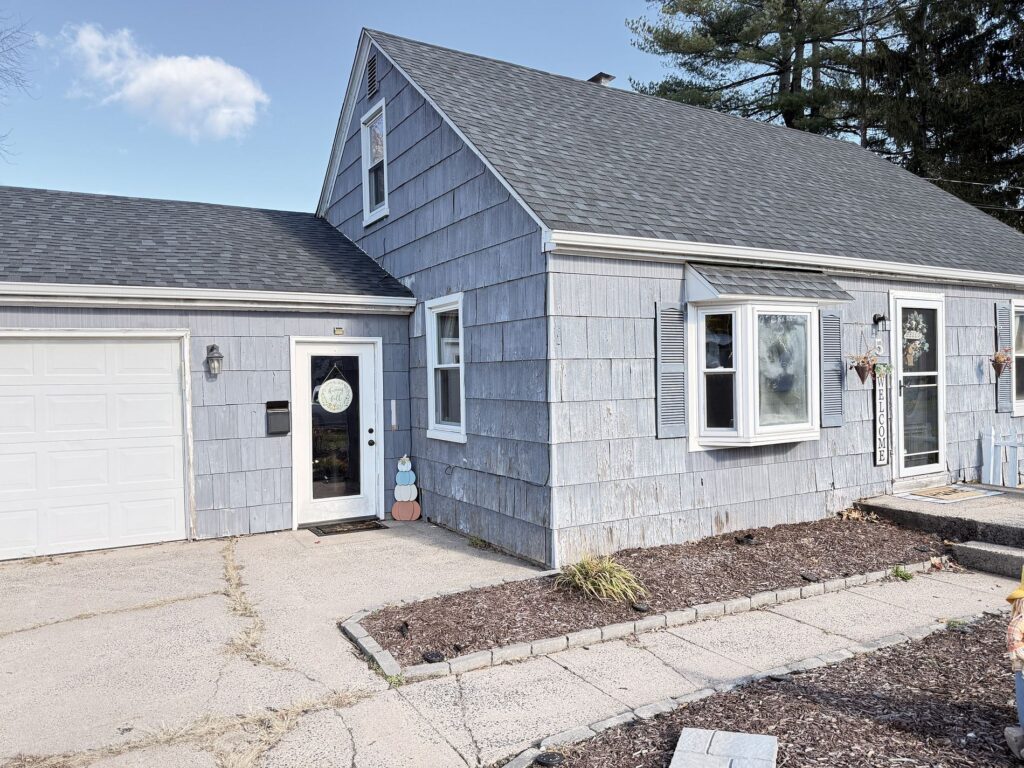
Wood siding has long been appreciated for its natural beauty and timeless appeal. Whether it comes in the form of cedar shakes or horizontal lap siding, wood delivers a warmth and character that many homeowners still value.
Its visual strengths include the following:
- Distinct grain patterns and texture
- Flexibility in staining or painting
- A classic, high-end appearance
For homeowners focused on aesthetics, wood siding offers a handcrafted look that is difficult to fully replicate.
Cons of Wood Siding
Despite its appeal, wood siding comes with several drawbacks that can affect long-term performance:
- Absorbs moisture, which can lead to warping or swelling
- Prone to rot, mold, and mildew over time
- Vulnerable to insects like termites and carpenter ants
- Requires frequent painting or staining
- Susceptible to fading from sun exposure
These challenges often lead homeowners to ask, “Is composite siding more durable than wood?” The answer is most often yes, and this becomes more apparent when you consider how each material holds up year after year.
Why Composite Outperforms Wood Siding Over Time
As homeowners prioritize durability and easier upkeep, composite siding continues to grow in popularity. Its engineered design directly addresses many of the weaknesses found in natural wood.
Better Weather Resistance
Wood siding can struggle in environments with consistent moisture or temperature swings. Rain, snow, and humidity can cause it to expand, contract, and eventually deteriorate.
Composite cladding is built to resist these conditions. As one of the most reliable moisture-resistant siding materials, it helps prevent issues like rot, mold, and structural damage before they start.
This makes it a dependable option for homes exposed to demanding weather patterns.
Lower Maintenance Requirements
Maintaining wood siding requires ongoing effort to preserve both its appearance and structure. Homeowners typically need to:
- Repaint or restain every few years
- Inspect for damage or decay
- Apply sealants to protect against moisture
Composite siding simplifies this process. It does not require frequent painting or sealing, and upkeep is usually limited to basic cleaning.
These reduced demands highlight some of the most valuable composite siding advantages, especially for homeowners looking to minimize long-term maintenance.
Superior Color and Fade Protection
Over time, wood siding is prone to fading, even with high-quality stains or paint. Sun exposure gradually breaks down its finish, leading to uneven color and the need for refinishing.
Composite cladding is manufactured with built-in color technology designed to resist fading. This helps maintain a consistent, polished appearance for years without the need for constant updates.
For homeowners who want lasting curb appeal without repeated maintenance, this is a significant benefit.
Explore Your Siding Options
When comparing composite siding vs. wood, the decision often comes down to balancing tradition with performance. Wood siding offers natural beauty and character, but it requires ongoing care and is more vulnerable to environmental damage. Composite siding, on the other hand, provides a modern solution with durability, efficiency, and long-term reliability.
Over time, it’s clear that composite cladding continues to prove itself as a strong long-term investment. Its resistance to moisture, pests, and fading allows it to perform consistently year after year and maximize your investment. Nu-Face Home Improvements is here to help you choose the right siding for your home. Reach out today to schedule your consultation and learn more about our siding services and what product is best for you.